Rules for Foraging
Restraint
When in doubt, choose restraint over extraction.
Don’t collect if the population looks sparse or stressed, or if you’re in a sensitive ecosystem (wetlands, dunes, riparian zones). Make sure that local wildlife is not actively depending on that plant for nesting or feeding.
Responsibility
Foraging laws vary significantly by location, and permits are sometimes needed. Check specific regulations for the area you plan to forage, or receive permission from property owners.
Reciprocity
Actively improve the habitat while you’re there by removing trash you encounter. Bring a trash bag and gloves on your foraging trips.
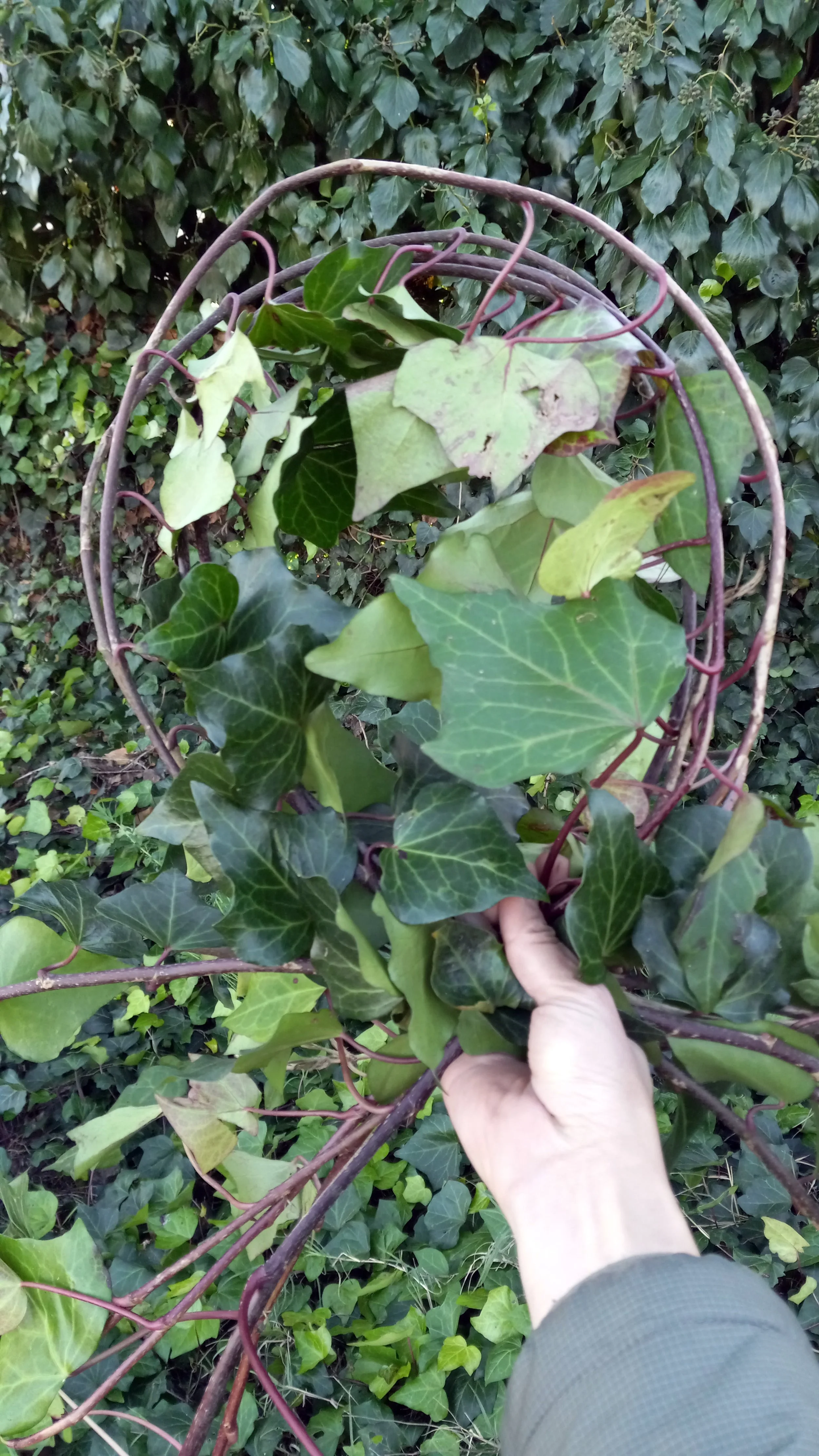
Remove only invasive species if you can do it without spreading them, or disturbing the soil. Know how the plant spread (seeds vs. roots vs. fragments) before attempting.
Safety
Be certain you can confidently identify the plant.
Ensure that the location is not polluted (e.g., not close to street or downstream from pollution source).
Handling Invasive Plants
Learn how the plant spreads (seeds vs. roots vs. fragments), and be mindful not to spread them during removal.
Bag seed heads before cutting plants.
Avoid shaking root or soil that may carry fragments.
Check your socks and shoes for hitchhikers (e.g. cheatgrass).
Clean your tools before leaving an area.